


Struggling with a slow or unreliable internet connection? Wired Portable Wi-Fi Routers might be the solution you need. These handy devices combine wired stability with portable convenience, making them perfect for work, gaming, or travel.
Keep reading to learn how they can transform your internet experience!
Key Takeaways
- Wired portable Wi-Fi routers use Ethernet cables to create fast, stable internet connections for devices.
- They are ideal for gaming, streaming, and smart home setups due to their high speed and reliability.
- Key features include Ethernet ports, built-in security (like VPN support), and compact designs for portability.
- Models like TP-Link Archer AX55 or Asus RT-BE96U offer advanced options like Gigabit speeds and Wi-Fi 6/7 technology.
- Unlike wireless hotspots, wired routers avoid signal interference and perform better in fixed setups or workspaces.
What are Wired Portable Wi-Fi Routers?
Wired portable Wi-Fi routers are small devices that share internet access through a wired connection. They act like an access point for wired networks, creating a reliable and secure Wi-Fi network in seconds.
These gadgets often have Ethernet ports to connect directly to modems, laptops, or smart home devices.
They are great for stable connections in travel or work settings. Unlike wireless hotspots, they avoid wi-fi interference by using direct cables instead of relying on cellular modems or wireless signals.
Many models support dual-band Wi-Fi and high-speed internet options like Gigabit Ethernet, offering faster data transfer rates for gaming performance and streaming without congestion.
How Wired Portable Wi-Fi Routers Work
Wired portable Wi-Fi hotspot routers create a reliable network using cables and internal components. They connect to your devices through Ethernet ports, offering fast and stable internet access.
Basic Components
Every wired portable Wi-Fi router has key parts that make it work. These components are small but important for internet connectivity.
- Ethernet Ports
- These ports link the router to devices or internet sources. They support fast, stable connections and reduce wireless interference. Most models have at least one WAN port and multiple LAN ports.
- Processor (CPU)
- The CPU manages all tasks inside the router. A strong processor boosts speed and handles heavy data loads, improving gaming performance or video streaming on wi-fi networks.
- Memory (RAM)
- RAM stores temporary data during operation. More RAM ensures smoother performance, especially for wi-fi technology that supports 4G, 5G, or multiple devices.
- Power Supply Unit
- Portable routers often use USB-C or USB-A cables for power. Some models include rechargeable batteries for easier travel use in mobile hotspots.
- Antennas
- Internal or external antennas enhance signal strength and coverage range in wi-fi connections. Adjustable antennas allow better placement for stable wireless connections.
- Firmware and Software
- Pre-installed firmware controls the router’s functions like parental controls, quality of service settings, security protocols like VPNs, and app management features.
- Heat Dissipation System
- Built-in vents or heat sinks prevent overheating during high usage such as online gaming with a gaming router like a Netgear Nighthawk.
- LED Indicators
- Lights on the device show connection status, power supply state, and other alerts like errors or updates needed for wi-fi 5 or wi-fi 6 compatibility upgrades.
Each part works together to improve internet stability and speed without interruptions during use in smart homes or professional setups!
Connectivity Mechanism
Wired portable Wi-Fi routers connect to the internet using Ethernet ports. These ports let you link your router directly to a modem or another wired network source. This connection delivers faster and more stable speeds compared to wireless options, making it great for gaming performance or streaming content.
The router then creates a local wireless network from this wired input. You can use this network with smartphones, laptops, smart home devices, or even NAS storage systems. Some models also support powerline adapters for extra range without losing speed due to signal interference.
Power Supply Options
Most wired portable Wi-Fi routers rely on USB connections for power. USB 3.1 ports are a common choice, offering faster data and efficient energy transfer. Some models support both USB and wall adapters, giving flexibility in different setups.
For travel or outdoor use, consider ones compatible with power banks. This option is ideal when access to outlets is limited. Always check the voltage requirements to avoid issues while connecting your router to smart home devices or other gadgets.
Key Features of Wired Portable Wi-Fi Routers
These routers pack a punch with fast speeds, strong security, and compact designs that fit in your bag—let’s explore the details!
Ethernet Ports
Ethernet ports allow wired connections for stable internet. They are crucial for gaming performance, streaming, or connecting smart home devices without Wi-Fi interference. Many portable routers include at least one Ethernet port, giving users flexibility to connect computers or network-attached storage (NAS).
These ports support gigabit speeds, ensuring faster data transfer compared to wireless links. For businesses or remote work setups, they offer reliability during video calls or heavy downloads.
Some models like TP-Link routers even feature multiple ports for multi-device connectivity, adding more networking options in compact designs.
Speed and Bandwidth
Wired portable Wi-Fi routers offer top speeds for smooth internet use. They support Gigabit Ethernet, allowing fast data transfers up to 1 Gbps. Many models handle modern networks like 4G and 5G for mobile connectivity, perfect for streaming or gaming performance.
These speeds reduce lag and improve browsing on smart home devices.
Faster bandwidth means better connections for multiple gadgets at once. With fewer interruptions from WiFi interference, activities like video calls stay stable. Reliable speed ensures efficient travel router use or connecting with VPN services securely.
Next, explore the strong security features they bring!
Security Features
Built-in firewalls block unwanted access to your network. They act like guards, keeping hackers and malware out. Firewalls also monitor traffic for any suspicious activity. This feature is vital for protecting smart home devices.
VPN support adds another layer of safety by hiding your online actions. It encrypts data, making it unreadable to others on the internet. Strong encryption standards, like WPA3 or AES-256, shield Wi-Fi routers from cyber threats, helping users stay secure while sending emails or using online services.
Portability and Design
Smaller builds and lightweight designs make portable Wi-Fi routers easy to carry. Many models fit in your pocket or laptop bag, making them perfect for travel or remote work. A compact design ensures no hassle during transportation, whether for a business trip or gaming performance on the go.
Some include sleek shapes with foldable parts like antennas for better storage options. Durable materials protect from bumps while still being stylish. Added features like LED indicators and simple mobile apps allow quick setup without extra tools.
These routers combine function and form efficiently without taking up much space at all!
Additional Features
LED indicators make life easier. They show the router’s status at a glance—power, connection strength, and active ports. No squinting or guessing required. Many routers now feature small display screens too.
These provide extra details like real-time speed or connected devices.
App management simplifies things even more. With apps on iOS or Android, you can control settings remotely. Block users, manage parental controls, or troubleshoot problems in seconds—all from your smartphone browser.
Some models even offer advanced tools for gamers to boost gaming performance with minimal lag!
Top 10 Wired Portable Wi-Fi Routers for 2025
Finding the best wired portable Wi-Fi router can feel like picking the right tool from a packed toolbox, so check out this list of top contenders for speed, security, and versatility.
1. TP-Link Archer AX55
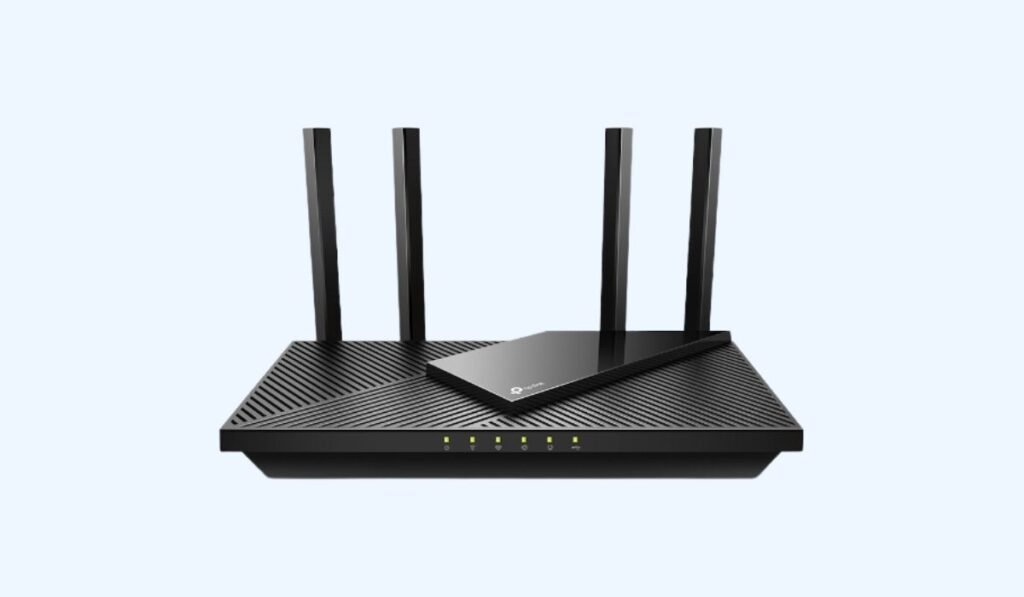
The TP-Link Archer AX55 brings strong performance in a small package. Supporting Wi-Fi 6, it ensures faster speeds and better device connections. It’s ideal for gaming, streaming, or smart home devices.
The router includes Gigabit Ethernet ports for high-speed wired connections.
Security features like WPA3 encryption and built-in firewalls protect your network from threats. App management makes setup easy while offering control over advanced settings. Move to the next option if you need even more power or unique designs!
2. Asus ROG Rapture GT-AX6000
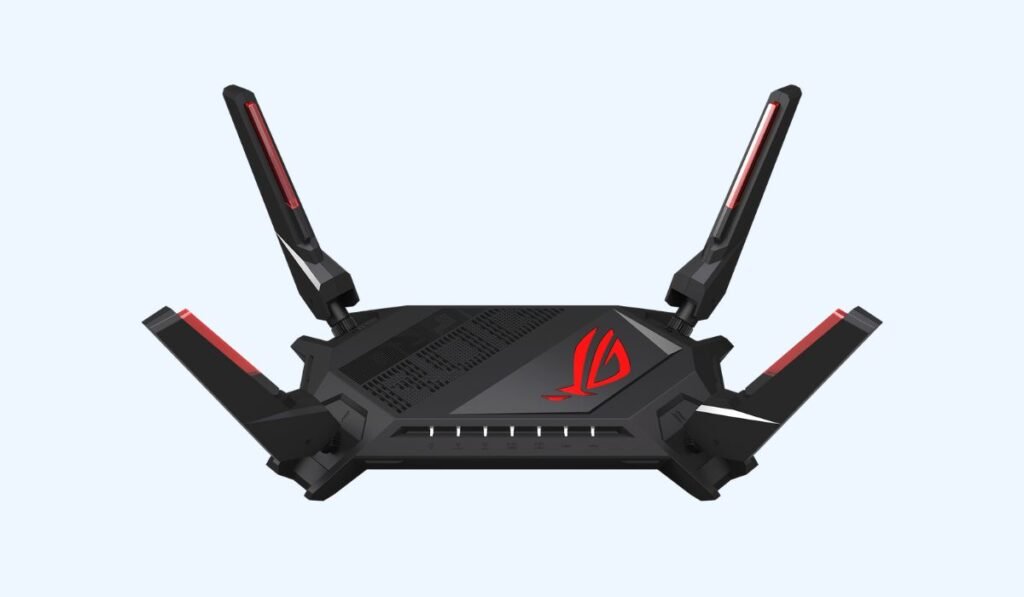
Shifting gears to gaming, the Asus ROG Rapture GT-AX6000 takes speed seriously. This router boasts dual 2.5G Ethernet ports and Wi-Fi 6 technology for smoother connections. Its Quad-Core processor ensures quick data handling, perfect for smart home devices or gaming setups needing low latency.
Security isn’t left out either. With built-in encryption, VPN features, and protection from external threats like Netgear Armor alternatives, it provides peace of mind. Stylish design meets function too—its LED indicators help manage your network easily without extra tools.
3. MSI RadiX AXE6600
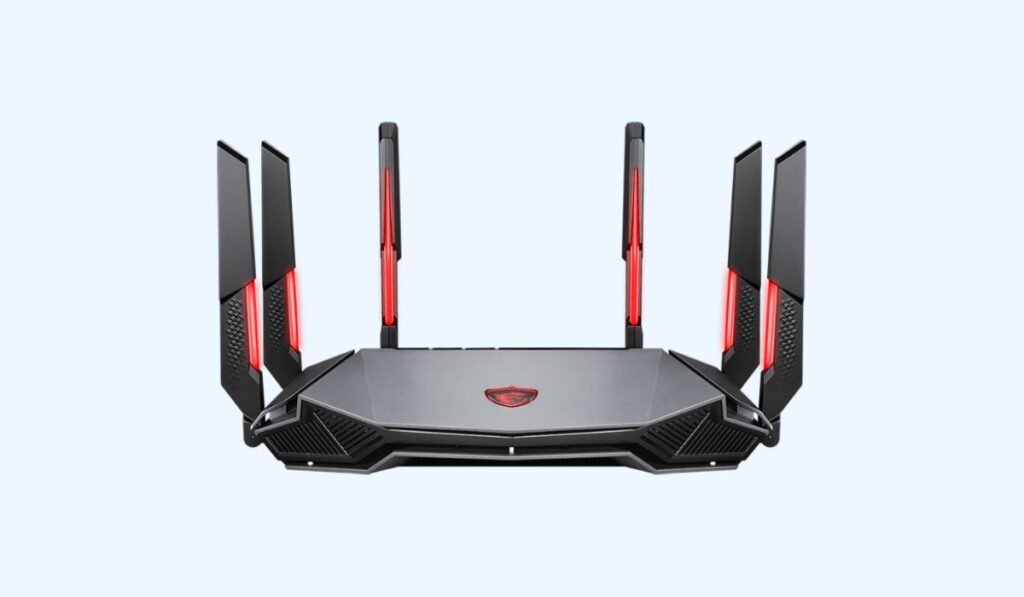
The MSI RadiX AXE6600 stands out for gaming and smart home setups. It supports Wi-Fi 6E, offering faster speeds and lower latency. With three frequency bands, it prevents traffic jams on your network.
Gamers will enjoy its AI QoS (Quality of Service) feature, prioritizing online games or streaming.
Equipped with multiple Gigabit Ethernet ports, it’s perfect for wired connections to devices like NAS or gaming consoles. Its built-in security features include VPN support and advanced encryption to protect your data.
The sleek design includes LED indicators, helping users monitor the router’s status easily. This model also works seamlessly with management apps for quick setup adjustments on the go!
4. Asus RT-BE96U

Asus RT-BE96U stands out with its impressive speed and advanced features. It supports Wi-Fi 7, offering lightning-fast speeds perfect for gaming performance or streaming high-quality content.
With multiple Ethernet ports, it allows seamless wired connections for smart home devices and NAS setups.
Security sets this router apart too. It includes firewalls, encryption standards, and VPN support to keep your data safe. Its design is sleek yet portable, with LED indicators making setup easier.
This travel router ensures reliable connectivity whether at home or on the go!
5. TP-Link Archer AX10
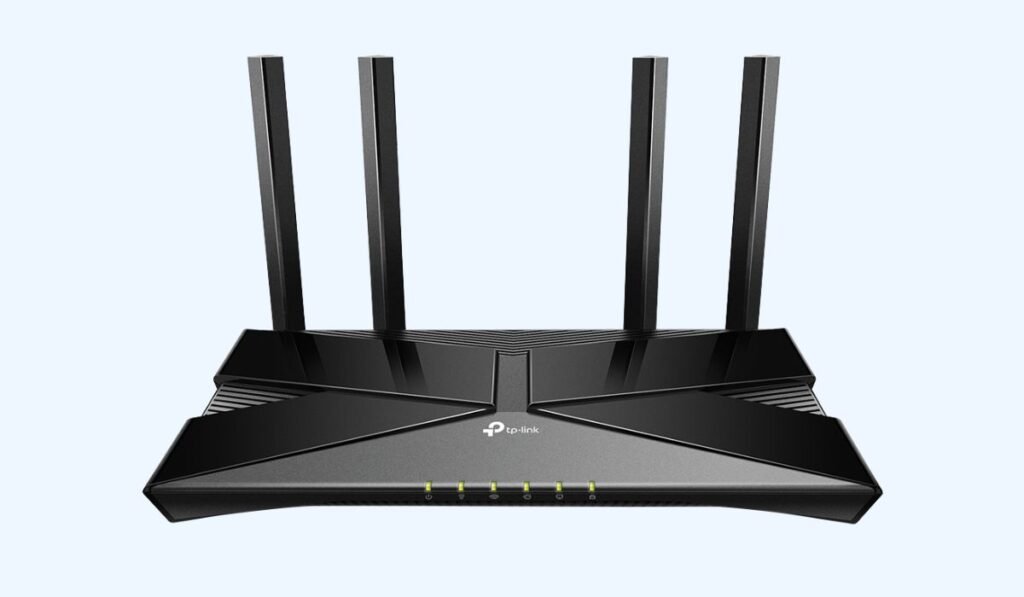
The TP-Link Archer AX10 is a budget-friendly Wi-Fi router with Wi-Fi 6 support. It offers faster speeds and better performance for smart home devices and online gaming. With its Gigabit Ethernet ports, it ensures stable wired connections for NAS or other devices needing high-speed data transfer.
This router can handle multiple devices without lag, making it ideal for busy homes. Its built-in security features, like WPA3 encryption, protect your network from threats. You can also manage settings easily using the Tether app on smartphones.
The compact design fits small spaces while maintaining strong performance.
6. TP-Link Archer Air R5
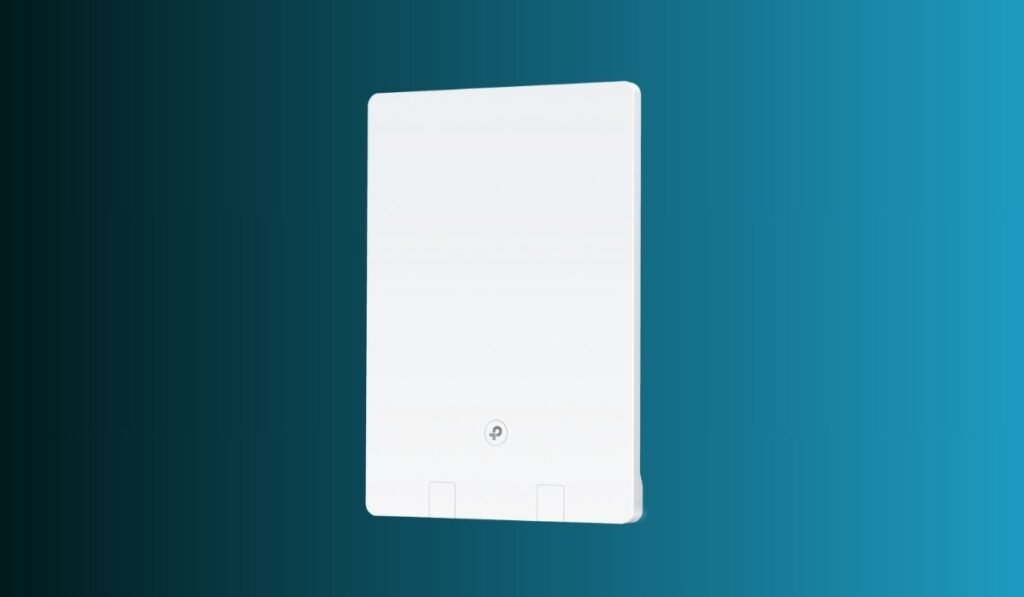
Compact and sleek, the TP-Link Archer Air R5 is built for smart homes. It offers dual-band Wi-Fi 6 with speeds up to 1.8 Gbps. This speed supports smoother streaming and faster downloads, even with multiple devices connected.
Its slim design fits snugly into small spaces—perfect for a clutter-free setup.
This travel-friendly router includes robust WPA3 encryption, keeping your data secure from cyber threats. With app control through Tether, you can easily manage network settings on your smartphone.
The Archer Air R5 also comes with Ethernet ports for wired connections when reliability matters most.
7. ASUS RT-AX88U Pro
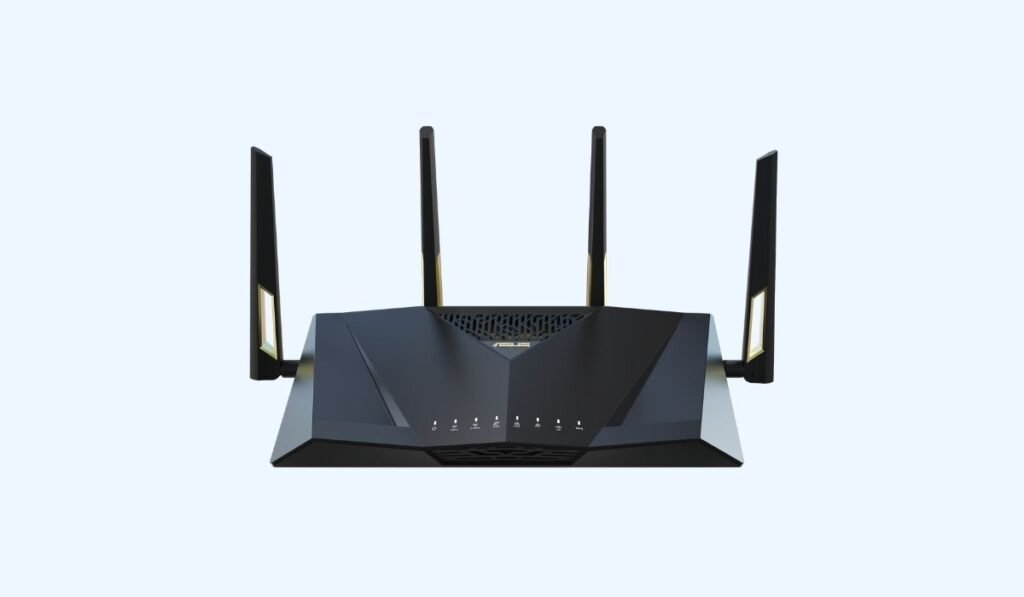
The ASUS RT-AX88U Pro is a Wi-Fi 6 router built for speed and stability. It supports up to Gigabit Ethernet speeds, making it perfect for gaming or streaming. This device features eight powerful antennas and four Ethernet ports, ideal for connecting multiple smart home devices or NAS setups.
Security is a highlight with built-in firewalls, VPN support, and encryption standards. The design is sleek yet durable, ensuring portability while on the go. LED indicators keep you informed about network status at a glance.
With app-based controls and easy setup tools, managing your network feels effortless.
8. Eero Max 7
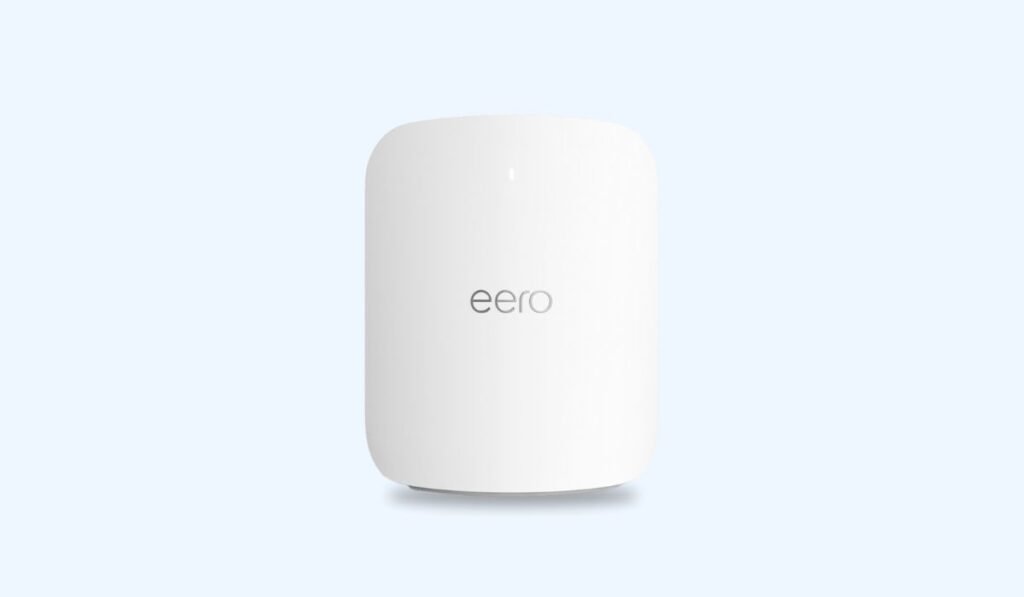
Eero Max 7 is a high-performance Wi-Fi router built for speed and reliability. It supports Wi-Fi 7, offering faster data transfer rates ideal for gaming performance or streaming in ultra-HD.
With Gigabit Ethernet ports, it handles wired connections seamlessly, perfect for NAS setups or smart home devices needing stable links. Its sleek design makes it portable yet powerful.
This router includes advanced security features like encryption standards and compatibility with VPNs to protect sensitive e-mail address exchanges or internet browsing. LED indicators provide network status at a glance, while app-based management simplifies setup and control through your smartphone.
9. TP-Link Archer AXE95 AXE7800
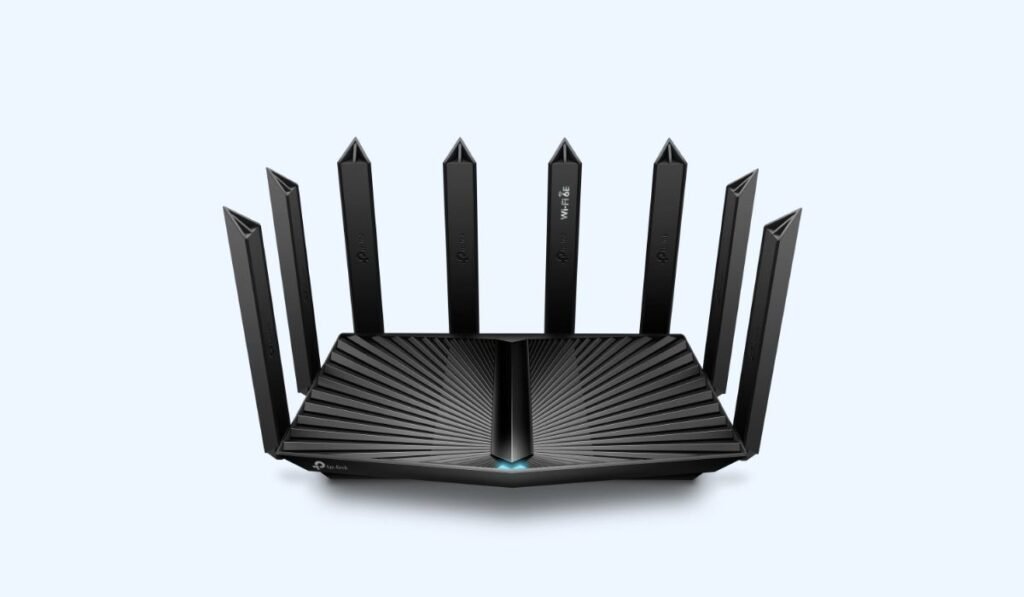
The TP-Link Archer AXE95 AXE7800 is a high-performance Wi-Fi router made for speed and reliability. It supports the latest Wi-Fi 6E standard, offering blazing speeds up to 7.8Gbps.
Perfect for smart home devices or gaming performance, it reduces lag and handles multiple connections with ease. Its tri-band technology ensures smooth data flow across all your devices.
This router includes several Ethernet ports, making wired connections simple and secure. Built-in security features like advanced encryption and VPN support keep your network safe from threats.
With sleek design and app management options, it’s easy to control settings anytime. Explore more from other top models in the next section!
10. Wyze Wi-Fi 6E Mesh Router Pro

Wyze Wi-Fi 6E Mesh Router Pro offers blazing speeds up to 2.5 Gbps for smooth streaming and gaming performance. It supports tri-band connectivity, including the latest 6 GHz band, reducing congestion on crowded networks.
This router ensures seamless coverage across smart home devices with its mesh system design.
It includes built-in security features like WPA3 encryption and a user-friendly app for easy network control. Four Ethernet ports provide stable wired connections for NAS or other devices.
Compact in size but robust in capability, it’s perfect for homes needing fast and reliable internet service providers’ connections.
How to Choose the Right Wired Portable Wi-Fi Router
Think about your needs before picking a router. Want high gaming performance? Choose one with strong bandwidth, like TP-Link Archer AX55. Traveling often? A lightweight and compact model works best, such as the TP-Link Archer Air R5.
Check for enough Ethernet ports if you connect many devices at once. Look at speed ratings; Gigabit Ethernet ensures faster downloads or streaming. Security is key too—find options with VPN support or built-in firewalls for safer browsing.
Power supply matters—it could be USB 2.0 compatibility or standard plugs based on use cases like smart home devices or events needing NAS storage setups.
Setting Up a Wired Portable Wi-Fi Router
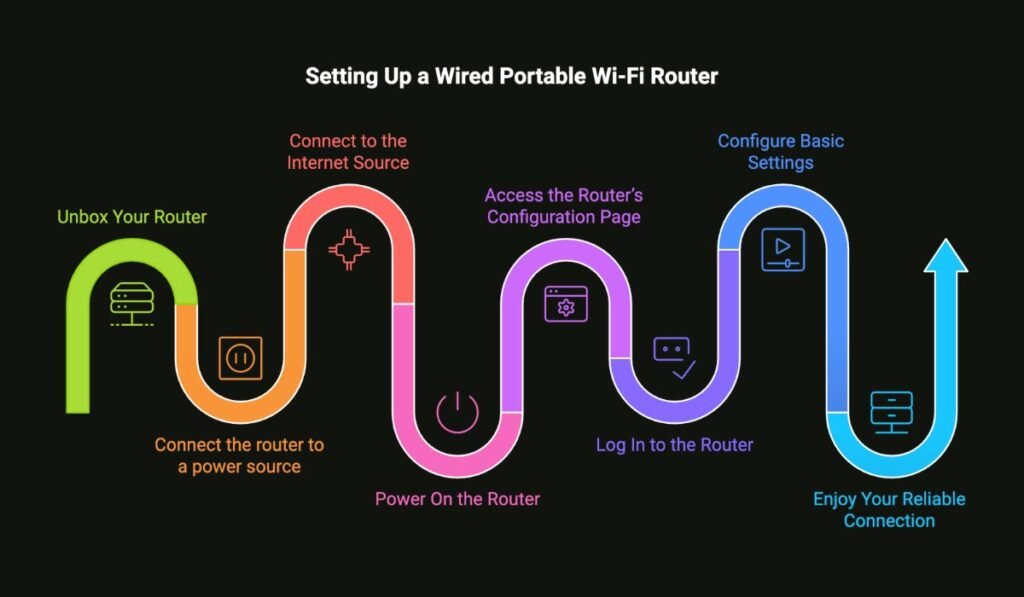
Setting up a wired portable Wi-Fi router is simpler than it sounds, and with the right steps, you’ll have your network running in no time.
Unboxing and Initial Setup
Open the box carefully. Inside, you’ll find the Wi-Fi router, power adapter, an Ethernet cable, and a quick start guide. Check each item to match what’s listed on the packaging.
Plug in your router using the power adapter provided. Connect an Ethernet cable from your modem to one of the router’s WAN ports. Power it on; most devices have LED indicators that light up during setup.
Keep everything handy for easy internet configuration next!
Connecting to the Internet
After setting up the router, plug one end of an Ethernet cable into your modem and the other into the router’s WAN or Internet port. This connection acts as a bridge between your internet service provider and your Wi-Fi router.
Turn on the power, wait for LED indicators to show stable light, and confirm connectivity. Access your network settings using a smartphone or computer to test speeds. Tools like Linksys routers often provide apps for quick diagnostics if issues arise with connecting smart home devices or multiple gadgets like NAS systems.
Configuring Network Settings
Access the router’s control panel through its app or web interface. Enter the default IP address, like 192.168.0.1, in a browser to get started. Use admin credentials provided with your device to log in securely.
Set up your Wi-Fi name (SSID) and password for encryption protection, such as WPA3 for higher security levels. Adjust bandwidth settings if multiple devices are connected or gaming performance is a priority.
Enable features like virtual private network (VPN) support for added privacy during remote work or travel use cases. Save changes before exiting to lock in configurations properly!
Troubleshooting Common Issues
A slow connection might stem from a clogged network. Too many devices can overload even the best wifi routers. Disconnect unused gadgets and check for updates to boost gaming performance or smart home device connectivity.
No internet? Check cables are secure in Ethernet ports. Restart your travel router by unplugging it, waiting 10 seconds, then plugging it back in. If that fails, reset your network settings or contact your ISP for help.
Don’t overthink—the fix is often simple!
Comparing Wired vs. Wireless Portable Wi-Fi Routers
Wired and wireless portable Wi-Fi routers both have their strengths and weaknesses. While they serve similar purposes, their performance, setup, and use cases differ. Here’s a clear breakdown:
| Feature | Wired Portable Wi-Fi Router | Wireless Portable Wi-Fi Router |
|---|---|---|
| Connectivity | Requires Ethernet cables for internet access. | Connects via cellular data (4G/5G) or Wi-Fi signals. |
| Setup | More complex, needs physical connections. | Quick and simple, no cables required. |
| Portability | Less flexible due to cable dependencies. | Highly portable, ideal for travel. |
| Speed | Generally faster, supports higher bandwidth. | Speed depends on network coverage and signal strength. |
| Reliability | Stable and consistent performance. | May experience interruptions in low-signal areas. |
| Power Source | Depends on an external power supply. | Usually battery-operated or USB-powered. |
| Security | Stronger due to physical connection and built-in firewalls. | More vulnerable to signal interception. |
| Best Use Cases | Offices, homes, or fixed setups needing stable connectivity. | Travel, outdoor activities, or temporary setups. |
| Cost | Typically more affordable. | Higher initial cost due to advanced technology. |
Understanding these differences will help make informed decisions. Keep reading to learn how to choose the perfect router for your needs!
Advantages of Wired Portable Wi-Fi Routers
Wired portable Wi-Fi routers offer stable connections, better speeds, and secure setups—making them a smart pick.
Enhanced Stability and Reliability
Stability keeps connections steady, even during heavy usage. Wired portable Wi-Fi routers excel here. They use Ethernet ports for solid links, avoiding Wi-Fi drops and weak signals.
This boosts gaming performance and supports NAS systems with ease.
Reliability means data flows smoothly without hiccups. These routers handle smart home devices flawlessly, keeping them online 24/7. Built-in safeguards protect against network disruptions while maintaining speed and bandwidth quality.
Perfect for demanding tasks or travel needs!
Faster Data Transfer Rates
Wired portable Wi-Fi routers offer faster data transfer speeds than their wireless counterparts. Using Ethernet ports, they provide a stable connection for gaming performance or streaming on smart home devices.
Many models support Gigabit Ethernet or 5G networks, making file downloads and uploads lightning-fast.
These routers reduce lag during online activities like video calls or working with NAS (Network Attached Storage). Their consistent speed makes them ideal for tasks that demand high bandwidth.
This efficiency ensures smooth multitasking across multiple connected gadgets without delays.
Increased Security
Built-in firewalls block unwanted access. VPN support hides your online activities, keeping hackers in the dark. Modern encryption standards, like WPA3, guard against data theft. These features create a safer connection for smart home devices and gaming performance.
Some routers even use systems like Netgear Armor for extra protection. They scan threats before they reach your network. This shields sensitive information while browsing or working remotely.
Multi-Device Connectivity
Wired portable Wi-Fi routers handle many devices easily. They keep a stable connection for smart home devices, gaming consoles, and more. Ethernet ports help link gadgets directly, boosting speed and reliability.
Gaming performance stays smooth with fast data transfer rates. Businesses can connect multiple laptops without lag during meetings. These routers manage busy networks like pros while staying secure with encryption tools.
Disadvantages and Limitations
These routers may not fit everyone’s needs, especially if you move around often. Plus, setting them up can feel like solving a tricky puzzle for some users.
Limited Mobility
Carrying a wired portable Wi-Fi router limits movement. Unlike wireless options, it needs cables for power and Ethernet connections. You can’t roam freely while using it.
Travelers or remote workers may find this inconvenient on the go. Gaming performance and smart home devices might benefit from its stability, but portability takes a hit.
Setup Complexity
Switching to a wired portable Wi-Fi router demands some effort. These devices often require connecting Ethernet cables, a power source, and sometimes configuring IP settings. For someone new to networking, it might feel like solving a puzzle without the picture on the box.
Models with app management simplify this process by guiding users step-by-step. Still, adjusting firewall settings or enabling VPN support can trip up beginners. Balancing between security features and ease of use takes patience but pays off in better gaming performance or stable connections for smart home devices.
Power Consumption
Managing power use is vital, especially for portable devices. Wired portable Wi-Fi routers often rely on USB or AC adapters for energy. Smaller models may work on lower wattage, keeping power bills low, while high-powered options might consume significantly more.
Some advanced routers feature smart home device compatibility but can draw extra juice when handling multiple tasks like gaming performance or encryption processes. Always check the energy specs to match your needs without overloading your outlets.
Cost Considerations
Power use affects both efficiency and bills. Wired portable Wi-Fi routers often cost more upfront than standard models. High-quality brands like TP-Link or Netgear Armor might range from $100 to $300, depending on features like speed or encryption levels.
Over time, expenses can add up. Some models need specific cables or upgrades for gaming performance or smart home devices, which aren’t always cheap. Repairs and replacements can also surprise your wallet if parts fail after the warranty ends.
Choose wisely to avoid hidden costs!
Common Use Cases for Wired Portable Wi-Fi Routers
Wired portable Wi-Fi routers shine in busy, tech-heavy setups. They handle streaming, working, or gaming like a pro—no hiccups, just smooth connections.
Business and Professional Use
Businesses rely on stable and fast networks. A wired portable Wi-Fi router offers dependable connectivity for smart home devices, video conferencing, or high-speed data transfers. These routers reduce lag, making tasks like remote work or cloud access smoother.
Professionals using travel routers benefit from secure connections while working on the go.
Companies hosting events or conferences often use these gadgets too. They connect multiple devices with ease and provide secured internet access to attendees. Features like VPN support and built-in firewalls protect sensitive data against cyber threats during professional use.
Travel and Remote Work
A wired portable Wi-Fi router can be a game-changer for travel and remote work. It offers stable internet through Ethernet cables, making it perfect for secure connections in hotels or coworking spaces.
Unlike wireless options, these routers don’t rely on unstable public networks. Devices like TP-Link Archer Air R5 or ASUS RT-AX88U Pro ensure reliable data speeds to handle video calls or large file uploads with ease.
Compact designs make them easy to pack alongside your smart home devices. Many models also support VPNs and encryption standards, adding an extra layer of security when working remotely.
LED indicators simplify connection status checks, keeping things stress-free during busy days away from home.
Events and Conferences
Events need reliable internet. Wired portable Wi-Fi routers provide stable connections, even in large venues. They handle multiple smart home devices or laptops with ease. Their Ethernet ports ensure smooth streaming during presentations.
Travel routers like these are great for gaming performance at expos or live demos too. Supported speeds, from 4G to Gigabit Ethernet, keep everyone connected without lags. Jump ahead to educational uses next!
Educational Purposes
For classrooms or study groups, wired portable Wi-Fi routers offer stable and speedy connections. Teachers can easily connect smart home devices like projectors for lessons. Students benefit from quick downloads of resources without interruptions.
Travel routers with Ethernet ports are perfect for educational trips. They allow multiple users to stay connected during research or online workshops. Built-in security features, like VPN support, keep sensitive academic data safe while using public networks.
FAQs
1. What are wired portable Wi-Fi routers?
Wired portable Wi-Fi routers are compact devices that connect to a wired network and create a wireless hotspot. They’re great for travel or improving connections in smart home devices.
2. Can wired portable Wi-Fi routers improve gaming performance?
Yes, they can! A good router reduces lag by providing stable connections, especially if paired with features like Netgear Armor or Velop systems for added security and speed.
3. Are these routers useful when traveling?
Absolutely. A travel router helps you set up your own secure network in hotels or public spaces, keeping your data safe while staying connected on the go.
4. How do brands like TP-Link fit into this space?
TP-Link is one of the top names recommended by The Wi-Fi Alliance for reliable, high-performance options in both smart homes and portable setups.


